Microwave tempering and defrosting are critical to the food processing industry. Since the 1970s, microwave energy has been applied to deep frozen food products, such as beef, poultry, and fish. The process of tempering with industrial microwave systems replaces the need for entire rooms dedicated to the process. In addition to the evident time and space savings, tempering proves beneficial as higher protein yields and flavor compounds remain in the product. Our food production clients who temper with industrial microwave systems see lesser amounts of mess and higher levels of energy efficiency.
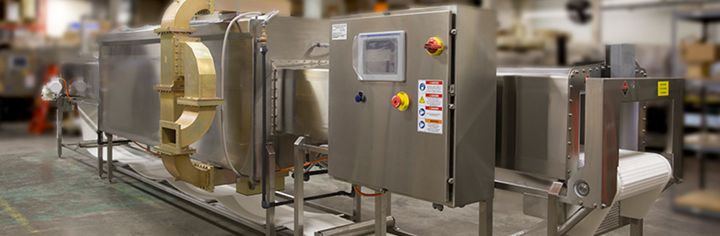
Tempering vs. Thawing
The process of microwave tempering is a highly successful alternative to thawing frozen product. Before we completely set aside and discount the practice of thawing, it is important to understand the reasons why food processors thaw their product, and the two associated methods of thawing.
Frozen foods, of course, are heavily reliant upon frozen ingredients. For meats, such as steak or ground hamburger, the process of freezing then thawing permits further processing – from slicing and dicing, to grinding and forming. Food processors portion servings by thawing frozen meats to a desired temperature at which they can then cut or split the product into fractioned amounts. The process of “thawing” involves melting the crystals into the product. There are two methods for tempering frozen product; air and water.
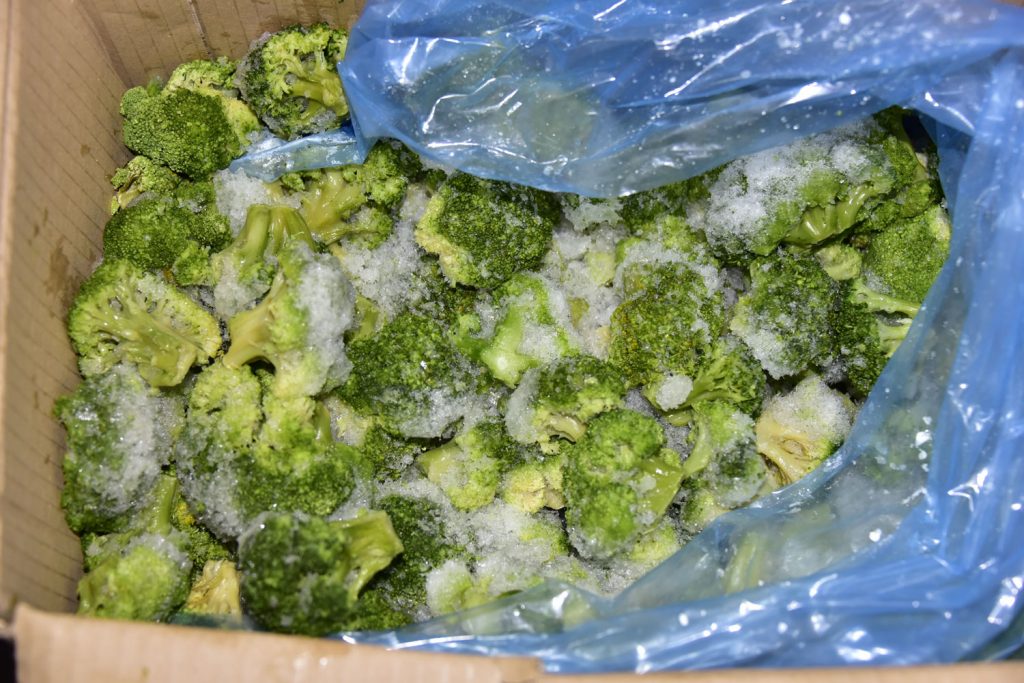
When air thawing product, boxes are typically thawed on pallets with spacers between the layers. One downside of air thawing is that the process can take multiple days, especially when considering air temperature and velocity. Some other considerable factors include floor space, drip loss and inventory size. Each of these determinants can ultimately increase overall cost. Finally, the process of air thawing has the potential to downgrade overall plant hygiene.
In contrast to long-drawn-out process of air thawing, water thawing is a faster overall solution. Water thawing is the technique of choice for many seafood products. It consumes less space than air thawing, yet it is still an unappealing process. Much of the opposition to water thawing frozen product comes from from regulatory concerns. The regulations concerning water usage and waste water quality are valid, and we’ve certainly seen these concerns become increasingly important to food processors and end consumers alike.
The Benefits of Microwave Technology
Although thawing may be viable for certain applications, we overtly recommend the practice of microwave tempering as an effective substitute. A significant benefit of tempering is its ability to improve further processing downstream. After applying microwave heat, those who slice, form, dice, or grind food (particularly meat), will find a more uniformly conditioned product.
Generally, we’ve seen the benefits of microwave tempering range from improved response time, to improved heat balance control.
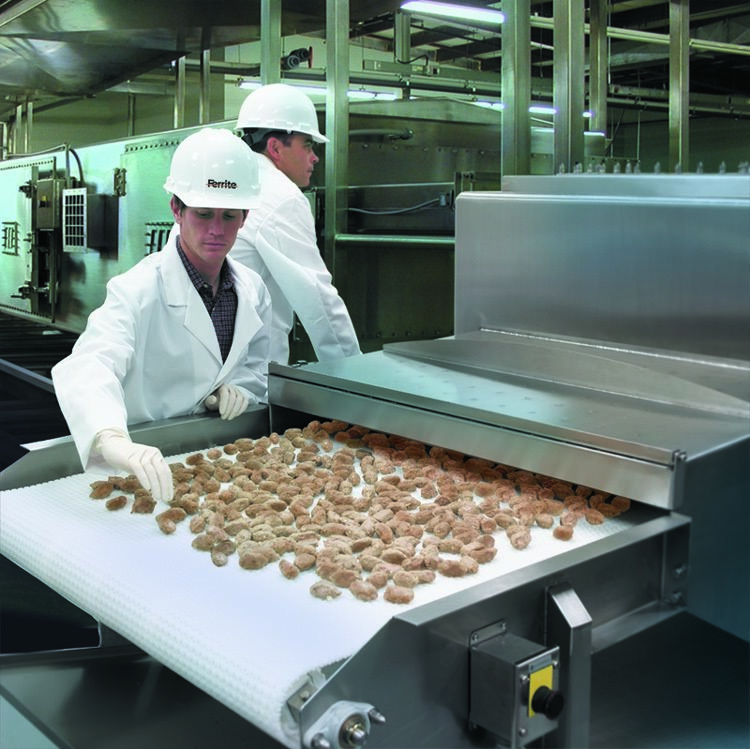
Taking deep frozen product and increasing temperature for further processing is no easy task. In fact, it is quite demanding. Before industrial microwave systems, facilities dedicated entire rooms strictly for tempering. This commonplace method caused a number of issues – from wasted space, to product spoilage, to labor-intensive cleanup and management. Given that each of these problems indefinitely drive up cost, many food processors moved toward tempering systems as a means of economic efficiency.
Over time, food processors found additional rewards to tempering beyond economic efficiency. When utilizing a full tempering system, you eliminate the need to entrap product with a plastic liner. Additionally, inventory control managers can allocate less time to idle product sitting still while thawing. From there, production managers can distribute workload more evenly, allowing reduced inventory and a seamless product flow throughout the plant. Then, the product can move along to its subsequent processing phase.
Post-Tempering Processes
Tempering has a positive impact on processes such as slicing, dicing, grinding, forming and thawing. It is an exacting process, in which temperature increases of up to 15°C can be achieved in 3 minutes or less. In each post-tempering process, there can be effects of under- or over-tempering. This is why it is critical to invest in precise microwave systems.
| Process | Effect of Under-Tempering | Effect of Over-Tempering |
|---|---|---|
| SLICING | Equipment failure Curled and shattered slices Smeared slices | Incomplete slices (strings) Excessive fines Ragged edges |
| DICING | Equipment failure Excessive fines Broken dices | Incomplete dices (strings) Excessive fines |
| PRESSING | Equipment failure Shattered meat Ragged surface Reduced productivity | Blood loss Ragged surface |
| GRINDING | Equipment failure Shattered meat Excessive lines | Blood loss |
| CONTROLLING TEMPERATURE AT PATTY FORMER | Equipment failure Lack of weight control Incomplete forming Lack of patty bind | Lack of weight control Ragged edges Sticky patties Wasted refrigeration |
| CONTROLLING TEMPERATURE OF SAUSAGE BLEND | Unsatisfactory protein extraction Unsatisfactory stuffing Smeared appearance | Protein loss Wasted refrigeration |
Case Study: Haddock
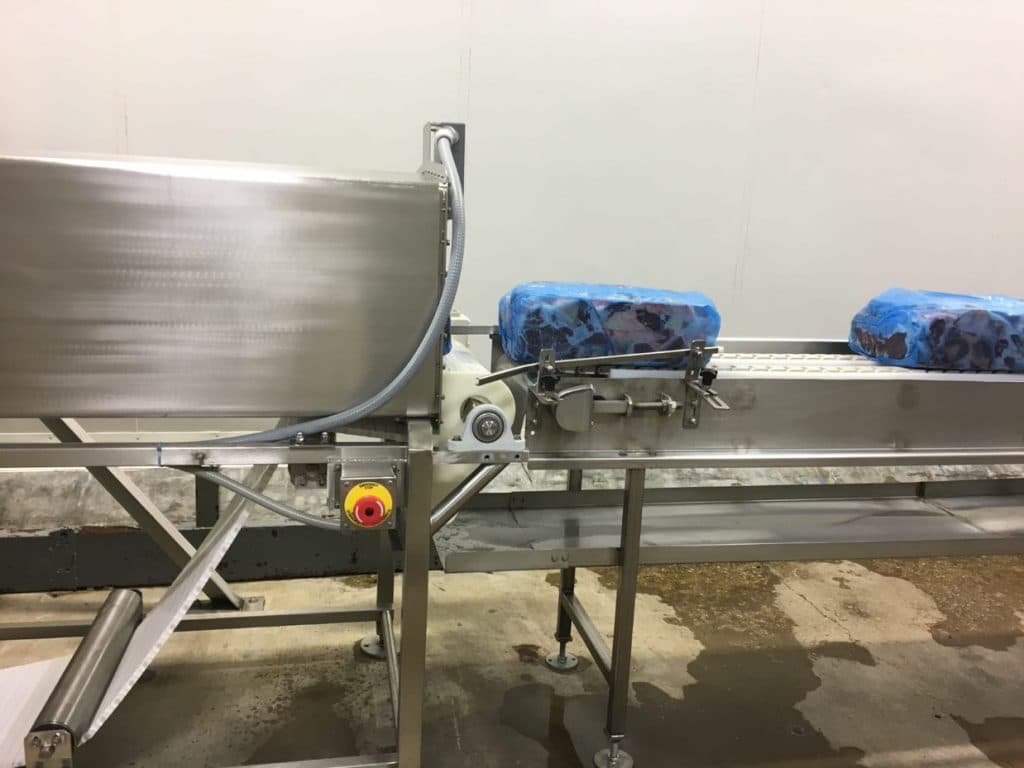
In 2017, FMT conducted a case study to analyze the effects of microwave tempering haddock.
| Product | 25 kg blocks of frozen-at-sea, H&G haddock* |
| System | MIP 12 Tempering Tunnel |
| Original starting temperature | 7°F (-14°C) |
| Targeted final temperature | 26°F (-3°C) |
| Throughput speed | 140 inches per minute |
| Average variance | +/- 3°F |
Our Systems
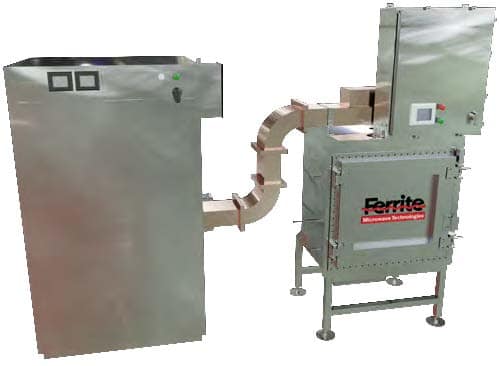
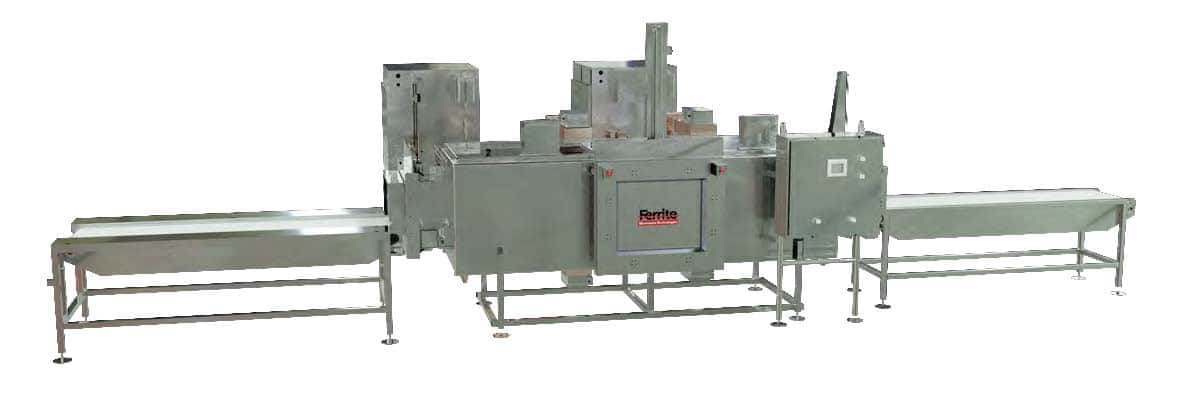
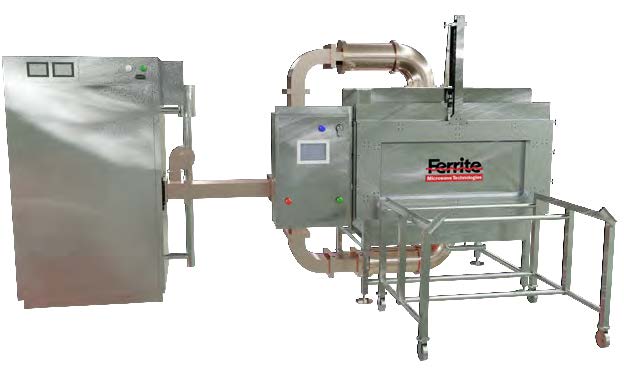
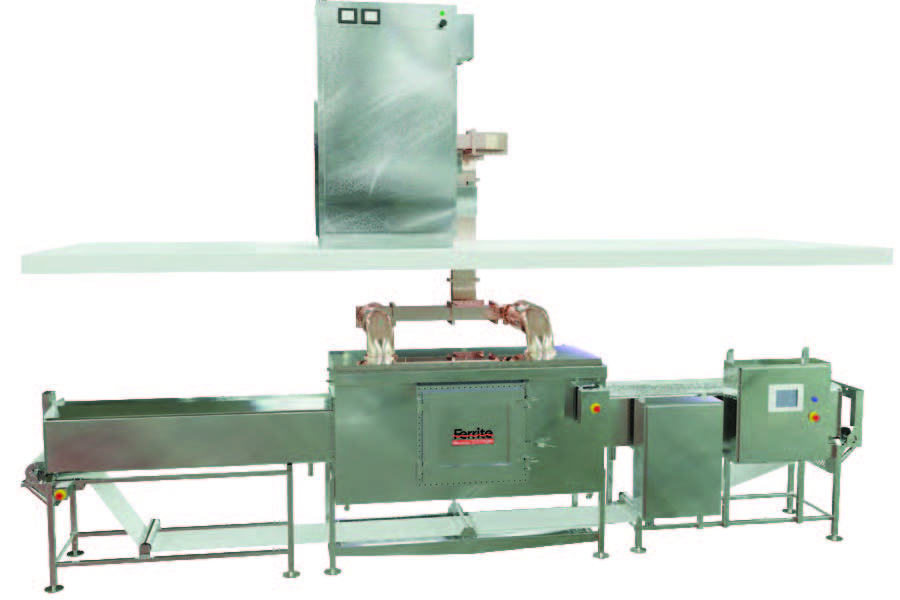
We offer four unique tempering systems with customizable options and control settings. To discuss your application, contact our sales team to discuss which system will be the best fit for your facility.